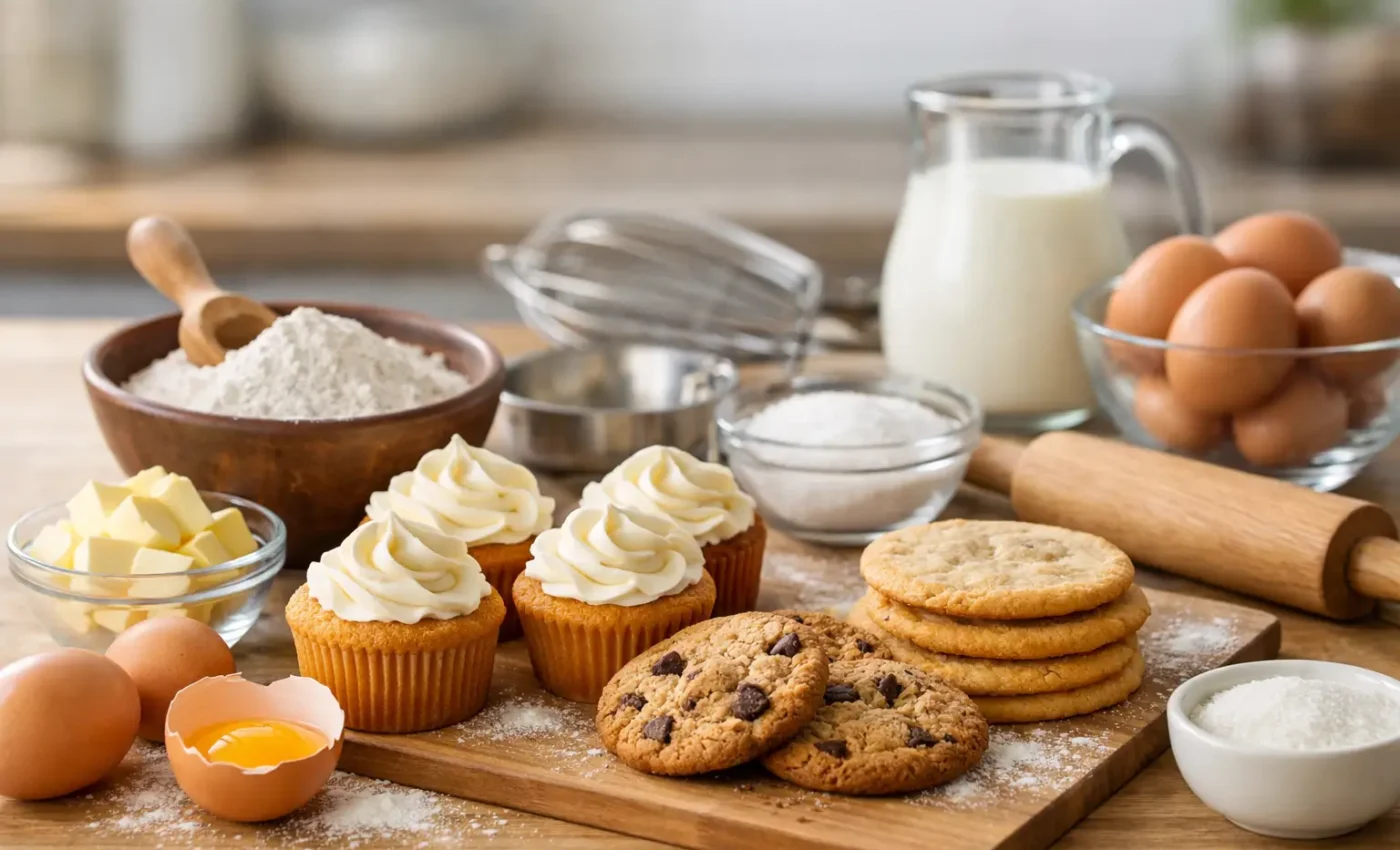
A batch of cookies that spreads into one thin sheet or a cake that sinks in the middle can make baking feel fussy fast. The good news is that baking basics are less about fancy equipment and more about a handful of repeatable habits. Once those habits become familiar, muffins, brownies, birthday cakes, and weeknight banana bread feel much more manageable.
For busy home cooks, the goal is not perfection. It is knowing what matters most, what can wait, and how to get a homemade treat on the table without turning the kitchen upside down.
Baking Basics Start Before the Oven Heats
Reliable baking begins with reading the whole recipe before you start. Check the ingredient amounts, notice whether butter or eggs need to be at room temperature, and see what pan size is called for. This takes a minute, but it prevents the common scramble of realizing the butter is still hard or the oven has not preheated when the batter is ready.
Set out your ingredients and equipment first. You do not need a picture-perfect counter, but having the flour, sugar, leavening, measuring tools, bowl, pan, and spatula within reach keeps the process calm. It also gives you a chance to check dates on baking powder and baking soda. Both lose strength over time, and old leavening can leave a cake dense even when every other step is right.
Preheat the oven early. Most ovens need at least 15 to 20 minutes to reach the set temperature, and the indicator light is not always exact. If your baking seems inconsistent, an inexpensive oven thermometer can be more useful than another specialty pan.
Measure Flour With a Light Hand
Baking is chemistry, but you do not need to treat every recipe like a science project. Accurate measuring is the one habit that pays off again and again, especially with flour.
When using measuring cups, fluff the flour with a spoon, spoon it into the cup, then level it with the straight edge of a knife. Do not scoop the cup directly into the flour bag and pack it down. That can add enough extra flour to make cookies dry, muffins heavy, or a simple cake crumbly.
A kitchen scale is even more consistent, particularly if you bake often. Still, cups work well for everyday recipes when used carefully. The important part is being consistent with the method.
Brown sugar is different. It is usually meant to be packed into the measuring cup unless the recipe says otherwise. Liquid ingredients should go into a clear liquid measuring cup set on a flat surface, so you can check the line at eye level. Small amounts of baking soda, salt, vanilla, and spices need measuring spoons, not a quick guess.
Know What Each Ingredient Does
You do not need to memorize food science, but understanding a few jobs in the bowl makes recipes easier to troubleshoot.
Flour provides structure. All-purpose flour is the dependable choice for most everyday cookies, cakes, muffins, and quick breads. Sugar adds sweetness, of course, but it also affects moisture, browning, and tenderness. Cutting sugar dramatically can change more than flavor.
Butter brings richness and flavor. Oil often makes cakes and quick breads stay moist longer. Eggs add structure, moisture, and color. Baking powder and baking soda create lift, but they work differently: baking powder contains its own acid, while baking soda needs an acidic partner such as buttermilk, yogurt, brown sugar, or lemon juice.
That is why substitutions work best when they are small and sensible. Swapping walnuts for pecans is usually low risk. Replacing all the butter, sugar, or eggs is a different project. If you need to make a major change for dietary reasons, choose a recipe developed for that ingredient rather than hoping a standard recipe will behave the same way.
Mix Only as Much as the Recipe Needs
Overmixing is a common reason baked goods turn out tough. Once flour meets liquid, gluten begins to develop. A little development gives structure, but too much can make muffins chewy and quick breads dense.
For muffins, pancakes, and banana bread, stir the dry and wet ingredients together just until you no longer see dry streaks of flour. A few small lumps are fine. For cakes, follow the method in the recipe. Creaming butter and sugar until lighter and fluffy adds air, while mixing eggs in one at a time helps keep the batter smooth.
Cookie dough is more flexible, but it still benefits from a gentle finish after the flour goes in. Stop mixing when the dough comes together, then fold in chocolate chips, nuts, or dried fruit by hand if needed.
Room-temperature ingredients matter most when a recipe asks you to cream butter and sugar or blend a smooth cake batter. Softened butter should dent when pressed, not look shiny or melted. Eggs that are closer to room temperature mix more evenly. If you forgot to set them out, place cold eggs in a bowl of warm, not hot, water for about five minutes.
Choose the Right Pan and Prepare It Well
Pan size affects baking time and texture. Batter in a smaller pan sits deeper and takes longer to bake. Batter in a larger pan spreads thinner and may dry out or bake too quickly. Use the listed pan when you can, especially for cakes and bars.
Metal pans conduct heat differently than glass or ceramic dishes. Metal usually gives more predictable browning for cookies and cakes. Glass and ceramic hold heat longer, which can be helpful for cobblers and baked pasta but may overbake the edges of brownies. If you use a glass dish for a recipe written for metal, start checking a little earlier.
Grease pans as directed, and use parchment paper when the recipe calls for easy release. For loaf pans and square baking pans, a parchment sling with edges hanging over two sides makes lifting cooled bars or bread much easier. It is a small setup step that saves frustration later.
Learn the Signs of Doneness
Timers are helpful, but they are a starting point, not a guarantee. Oven temperatures vary, pan materials vary, and even the color of your baking sheet can affect how quickly food browns.
For cakes, gently press the center. It should spring back rather than leave a dent. A toothpick inserted near the center should come out clean or with a few moist crumbs, depending on the recipe. For brownies, a few fudgy crumbs are often better than a completely clean toothpick, which can mean they are overbaked.
Cookies can look underdone when they first come out of the oven. Many finish setting on the hot baking sheet for several minutes. Pull them when the edges are set and lightly golden, while the centers still look soft if you want a chewy result. Bake a minute or two longer for a crisper cookie.
Quick breads are done when a tester comes out clean and the top feels firm. If the top is browning too quickly before the center is finished, loosely tent the pan with foil for the remaining bake time.
Cooling Is Part of the Recipe
It is tempting to slice warm banana bread or frost a cake right away, but cooling affects the final texture. Cakes can break if removed too soon. Quick breads continue to set as they cool. Frosting on a warm cake melts and slides instead of staying where you put it.
Most cakes need 10 to 15 minutes in the pan before turning out onto a rack. Cookies generally need a few minutes on the baking sheet, then should move to a rack so their bottoms do not keep cooking. Bars are often easiest to cut after they cool completely.
If you are short on time, choose treats that are meant to be casual: drop cookies, muffins, fruit crisps, or a simple snack cake. They deliver the homemade payoff without requiring decoration or a long cooling window.
Keep Your First Bakes Simple
A dependable recipe with familiar ingredients teaches more than an ambitious project with several unfamiliar steps. Start with recipes that let you practice one or two skills at a time, such as measuring flour for blueberry muffins, creaming butter for chocolate chip cookies, or checking doneness in a simple vanilla cake.
Keep notes if something surprises you. Maybe your oven runs hot, your muffin tin bakes quickly, or your family likes cookies slightly softer. Those small observations are how baking becomes personal and dependable.
Good food, made practical, can be as simple as a warm batch of muffins for tomorrow’s breakfast or brownies cooling after dinner. Pick one recipe, measure with care, and let repetition do the rest.