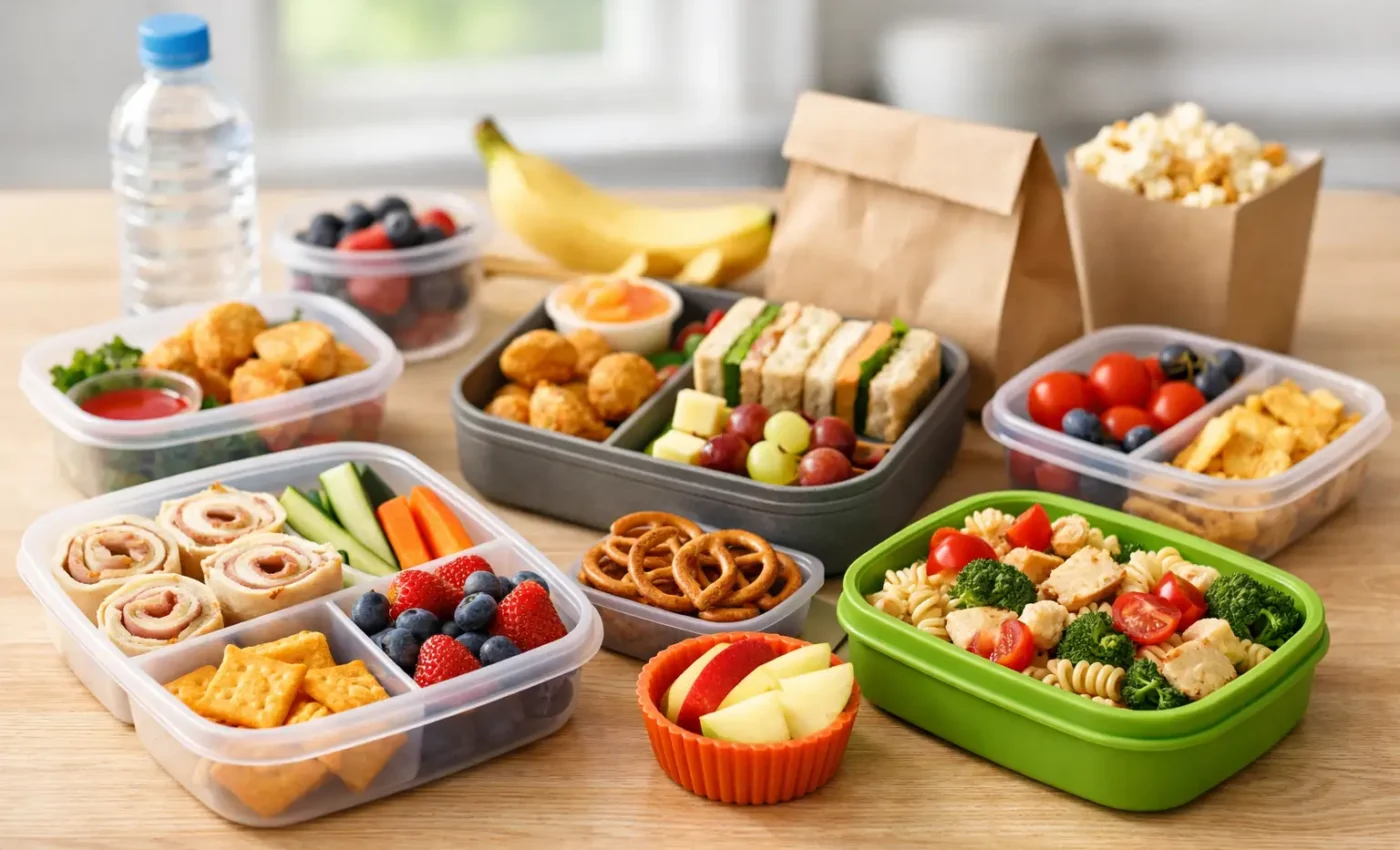
A lunch box can look perfectly balanced and still come home untouched. The most useful kid friendly lunch examples are not the prettiest or the most complicated. They are meals built around foods your child already enjoys, packed in portions they can manage, and varied enough to keep weekday lunches from feeling repetitive.
For busy families, the goal is not a brand-new lunch every morning. It is a simple system: choose a filling main item, add a fruit or vegetable, include something crunchy or creamy, and leave room for a small familiar favorite. Good food, made practical, starts with a lunch your child can open, eat, and enjoy.
What Makes a Lunch Kid-Friendly?
A kid-friendly lunch needs to work at the table, not just on a meal plan. That usually means mild flavors, familiar ingredients, and foods that are easy to pick up with fingers or a fork. It also helps to pack items separately when possible. A child who dislikes a sandwich with lettuce inside may happily eat turkey, cheese, crackers, and cucumber slices from separate compartments.
Think about texture as much as nutrition. Pair a soft item, such as a wrap or pasta, with something crisp like apple slices, snap peas, or pretzels. Add a dip if that makes vegetables more appealing. Ranch, hummus, yogurt dip, and guacamole can turn a simple side into something children are more likely to try.
Portion size matters, too. A large sandwich can feel like too much, while a half sandwich, a few berries, and a handful of crackers feel doable. You can always adjust after seeing what comes home at the end of the day.
Kid Friendly Lunch Examples to Mix and Match
These lunch ideas use everyday ingredients and are easy to repeat with small changes. Choose the ones that suit your child’s preferences, school rules, and lunch-time setup.
Turkey and Cheese Roll-Ups
Lay turkey slices and cheese slices together, roll them up, and cut them into bite-size pieces if needed. Add crackers, grapes or berries, and cucumber coins. This lunch has the familiar flavor of a sandwich without the chance of soggy bread.
For a heartier option, include a small whole-wheat tortilla around the turkey and cheese. A little cream cheese or hummus inside can help the roll-up hold together, but keep it simple if your child prefers plain foods.
Pasta Salad With Gentle Flavors
Cold pasta is a dependable lunch option, especially for children who enjoy noodles at dinner. Toss cooked rotini, shells, or bow ties with a little olive oil or a mild Italian dressing. Add cubed mozzarella, diced chicken, peas, and halved cherry tomatoes for kids who like them.
If mixed foods are a hard sell, pack the pasta plain and keep the cheese, chicken, and vegetables in separate sections. The same ingredients still make a satisfying lunch, with less pressure to eat a fully mixed salad.
Snack-Style Lunch Box
A snack-style lunch is useful when your child prefers grazing to eating one main dish. Pack cheese cubes, whole-grain crackers, sliced turkey or chicken, apple slices, and a few pretzels. It feels fun while still covering the basics of a filling meal.
This format is also a smart way to use small leftovers. A few roasted chicken pieces, a piece of cheese, leftover pasta, and fruit can become lunch without extra cooking. Just make sure the portions add up to enough food for the school day.
Sunflower Butter and Banana Sandwich
For schools with nut-free policies, sunflower seed butter is a practical alternative to peanut butter. Spread it on bread with banana slices, then add a small container of yogurt and a side of carrots or bell pepper strips.
If banana makes the bread too soft by lunchtime, pack it on the side instead. You can also use the spread in a tortilla roll-up or serve it with apple slices and crackers. Flexibility is what keeps a familiar lunch from getting boring.
Breakfast for Lunch
Breakfast foods often earn an easier yes from kids. Pack mini pancakes or waffles with a small container of maple syrup or yogurt for dipping. Add scrambled egg bites, a hard-boiled egg, or a cheese stick for protein, plus strawberries or orange segments.
This is especially helpful for children who are hesitant about typical sandwich lunches. Use leftover pancakes from the weekend, or make a double batch and freeze extras so morning prep stays quick.
Chicken Quesadilla Wedges
A cheese quesadilla with shredded chicken is comforting, easy to hold, and good warm or at room temperature. Cut it into wedges and pack salsa, guacamole, or plain Greek yogurt for dipping, depending on what your child enjoys.
Round out the lunch with corn, grapes, or sliced melon. If your child is still getting used to new flavors, start with cheese only and add chicken later. Small changes are often more successful than a total lunch-box makeover.
A Simple Formula for Packing Lunches
When you are short on time, use the same basic formula rather than searching for a new idea every day. Start with a main item that provides protein and staying power, such as a sandwich, egg, beans, chicken, cheese, yogurt, or leftover dinner. Add produce, then a grain or crunchy side, and finish with one familiar extra.
For example, a ham sandwich can go with strawberries, pretzels, and a small cookie. Leftover rice and chicken can go with edamame, pineapple, and crackers. Mac and cheese can be packed with peas, apple slices, and a cheese stick. The formula keeps decisions easy while giving meals enough variety.
It also helps to plan lunches around dinner. Make extra chicken for wraps the next day, cook extra pasta for a cold pasta lunch, or save taco ingredients for a build-your-own lunch box. This approach cuts waste and gives leftovers a clear purpose.
How to Handle Picky Eaters Without Making Lunch a Battle
A lunch box is not the best place to test a food your child has never accepted before. School lunch is short, noisy, and often distracting. Pack at least one or two foods you know your child will eat, then add a small amount of something less familiar if you want to keep exposure going.
Keep the new item low-pressure. A few roasted chickpeas, one slice of bell pepper, or a spoonful of pasta salad is enough. If it comes back untouched, that is useful information, not a failure. Try it again another time in a different form.
Giving kids a limited choice can help, too. Ask whether they want a turkey roll-up or a quesadilla, strawberries or apple slices, crackers or pretzels. They get some control, and you avoid opening the kitchen to endless negotiations.
Prep Once, Pack Faster All Week
A little prep after grocery shopping can make weekday mornings much calmer. Wash fruit, cut sturdy vegetables, cook a batch of pasta, shred chicken, and portion crackers or pretzels into small containers. Keep the components visible in the refrigerator so lunch choices are easy to spot.
Not every item needs to be homemade. Store-bought yogurt cups, cheese sticks, whole-grain crackers, and frozen waffles can all be part of a balanced lunch. The best plan is the one you can repeat on a busy Tuesday, not the one that requires an hour of prep on Sunday.
Use an insulated lunch bag with an ice pack for foods that need to stay cold, including dairy, meat, eggs, and leftovers. If you are packing a hot lunch in a thermos, warm the thermos first with hot water, then fill it with fully heated food. A little attention to packing helps lunch stay appealing until midday.
Tomorrow’s lunch does not have to be a big production. Start with one dependable main, add a couple of easy sides, and let your child’s empty containers guide the next round of ideas. Tonight made easy can begin with a few simple choices in the fridge.