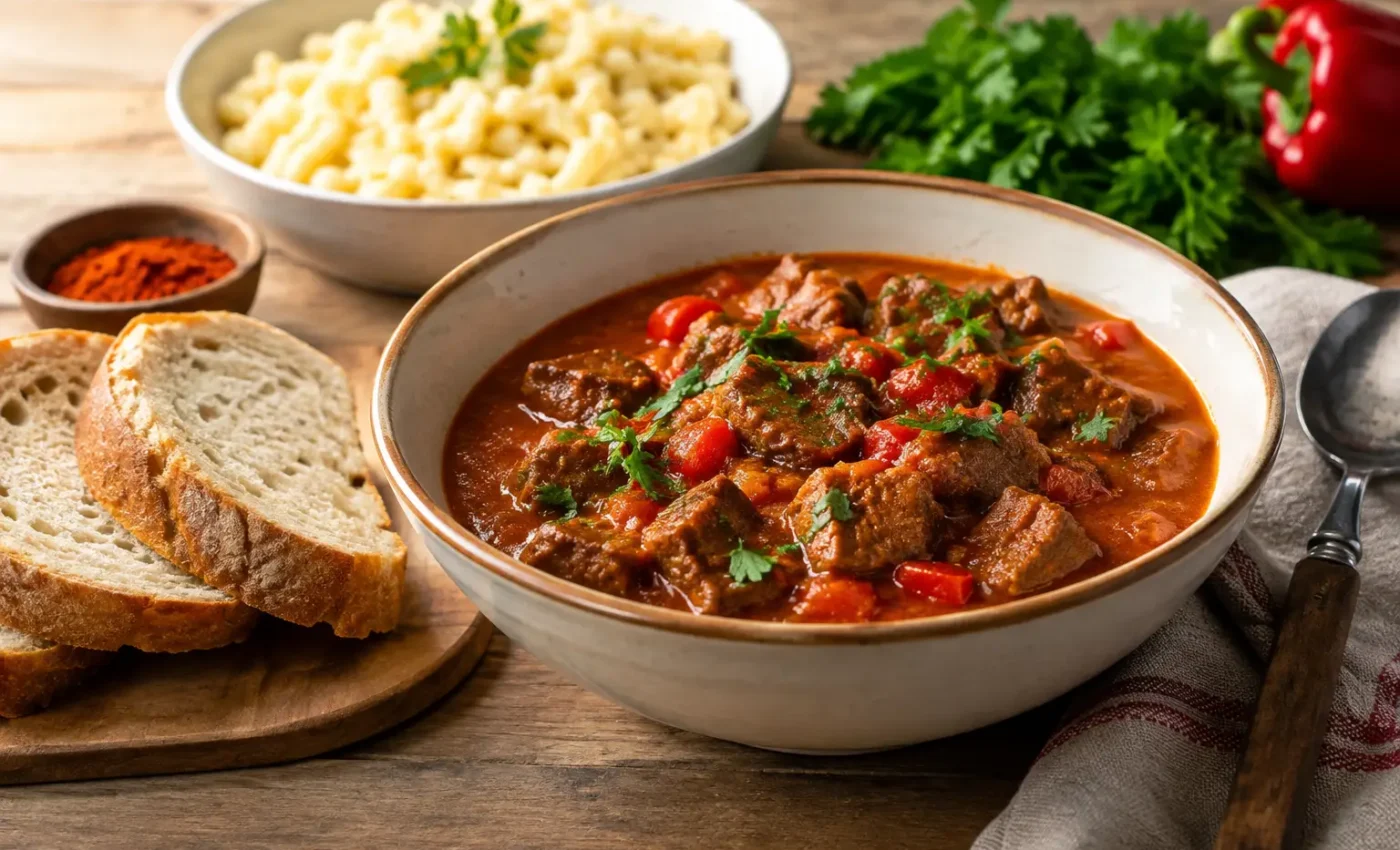
A spoonful of sweet paprika can turn an ordinary chicken dinner into something warm, colorful, and deeply comforting. That is the everyday appeal of Hungarian recipes: they build big flavor from familiar ingredients such as onions, chicken, potatoes, noodles, sour cream, and a well-stocked spice drawer. You do not need specialty equipment or an all-day cooking project to bring these dishes to the table.
For busy home cooks, Hungarian food works best when you focus on its practical strengths. Many classic dishes begin with one skillet or Dutch oven, rely on affordable staples, and taste even better with a simple side of buttered noodles, rice, or crusty bread. Tonight made easy can still mean dinner has real character.
What Makes Hungarian Recipes So Comforting?
Hungarian cooking is known for its generous use of paprika, but the flavor is more layered than heat alone. Sweet Hungarian paprika adds an earthy, lightly sweet taste and a rich red color. Hot paprika can be used in small amounts when your family likes more spice, while smoked paprika brings a different, smokier flavor that is tasty but not always traditional.
Onions are another foundation. They are often cooked slowly in oil or butter until soft and golden, creating a savory base for meat, vegetables, and sauces. Caraway seeds, garlic, tomatoes, bell peppers, dill, and sour cream also appear often, giving simple ingredients a full, home-cooked feel.
The key is not to rush the paprika. Add it after the onions have softened, and keep the heat low for a moment before adding liquid. Paprika can turn bitter if it burns. This small step makes a noticeable difference, whether you are preparing chicken paprikash or a quick potato soup.
Start With These Easy Hungarian Recipes
If Hungarian cooking is new to your kitchen, start with dishes that fit naturally into your usual dinner rotation. They are recognizable, family-friendly, and flexible enough for the ingredients you already have.
Chicken Paprikash for a Creamy One-Pan Dinner
Chicken paprikash, or paprikás csirke, is a great first choice. Chicken cooks in a paprika-onion sauce, then gets finished with sour cream for a creamy, tangy result. Thighs are especially dependable because they stay tender, but chicken breasts can work when cut into even pieces and cooked just until done.
For a weeknight version, use boneless chicken thighs and serve the sauce over egg noodles. A little flour whisked into the sour cream can help prevent curdling, especially if the sauce is very hot. Temper the sour cream first by stirring in a few spoonfuls of warm sauce, then add it back to the pan over low heat.
Traditional chicken paprikash is often served with homemade nokedli, small dumplings that are similar to spaetzle. They are worth making when you have extra time, but buttered egg noodles are an excellent practical substitute on a Tuesday night.
Beef Goulash When You Want a Slow, Satisfying Meal
Hungarian goulash, called gulyás, is closer to a hearty beef soup or stew than the thick, tomato-heavy dish some Americans expect. It commonly includes beef, onions, paprika, potatoes, and vegetables in a brothy base. It is warming, filling, and ideal for a weekend batch that can cover more than one meal.
This is not usually a 20-minute dinner, because tougher cuts of beef need time to become tender. Still, the hands-on work is simple. Choose chuck roast, cut it into chunks, and let it simmer gently rather than boil hard. The payoff is tender beef and a broth that tastes far more developed than the ingredient list suggests.
For a faster weeknight approach, make a paprika beef skillet with ground beef instead. Cook it with onions, bell peppers, garlic, diced tomatoes, and sweet paprika, then serve it over potatoes, rice, or noodles. It will not be classic goulash, but it uses the same comforting flavor direction with a much shorter cooking time.
Hungarian-Style Potato Paprikash for Meatless Nights
Potato paprikash is one of the easiest ways to use Hungarian flavors without spending much. Potatoes simmer with onions, paprika, peppers, and tomatoes until tender. Some versions include sausage, while others stay meatless and rely on sour cream or a fried egg for extra richness.
Use waxy potatoes, such as Yukon Golds or red potatoes, so they hold their shape. If you add sausage, kielbasa is easy to find and works well, though it gives the dish its own smoky character. Serve it with a crisp cucumber salad or simple green beans to balance the soft, savory potatoes.
Stuffed Cabbage for Make-Ahead Comfort Food
Hungarian stuffed cabbage is a rewarding choice when you want a freezer-friendly family meal. Cabbage leaves are wrapped around a filling of ground meat and rice, then baked or simmered in a tomato-paprika sauce. It takes more assembly than chicken paprikash, so it is best saved for a relaxed afternoon or meal-prep day.
The practical shortcut is to skip perfectly neat rolls. Layer chopped cabbage, cooked rice, seasoned ground meat, and sauce in a casserole dish instead. You get the same cozy combination with less time spent rolling. It may not look traditional, but it is an honest solution when the goal is getting a satisfying dinner ready without pressure.
Build a Hungarian-Inspired Pantry Without Overbuying
You can make many Hungarian-style meals with a short, useful ingredient list. Sweet paprika is the one purchase that matters most. Look for fresh paprika with a bright red color and a fragrant, slightly sweet smell. Old paprika is safe to use, but it can taste flat and dusty.
Keep onions, garlic, canned tomatoes, potatoes, egg noodles, and chicken broth on hand. Sour cream is helpful for creamy sauces, and bell peppers add freshness to stews and skillets. Caraway seeds are optional, but a small jar goes a long way in cabbage dishes, potato recipes, and rye-style breads.
When choosing paprika, read the label carefully. Sweet paprika is the most versatile starting point for families. Hot Hungarian paprika is best added gradually, and smoked paprika should be treated as a flavor variation rather than a direct replacement. If a recipe calls for two tablespoons of sweet paprika, swapping in two tablespoons of smoked paprika can easily overpower the dish.
Simple Sides That Complete the Meal
Hungarian main dishes often come with a starch that catches every bit of sauce. Egg noodles are the fastest option and especially good with chicken paprikash. Boiled potatoes work beautifully with goulash or pork dishes, while rice is a reliable choice for a quick skillet meal.
For something fresh, make a cucumber salad with thinly sliced cucumbers, a little vinegar, salt, sugar, and sour cream or yogurt. The cool crunch gives rich paprika sauces a welcome contrast. A bowl of steamed green beans, roasted carrots, or a simple leafy salad can do the same job when you need to use what is already in the refrigerator.
Bread is another easy win. A loaf of crusty bread is perfect for dipping into goulash broth or scooping up the last of a creamy sauce. There is no need to make a special bread from scratch unless baking is part of the fun for you.
A Few Habits That Keep the Flavor Balanced
Hungarian food can be rich, but it should not feel heavy in every bite. Use enough salt to bring out the paprika, then balance the dish with a small splash of vinegar, lemon juice, or a spoonful of tomato paste if the flavor feels dull. Sour cream should add tang and softness, not hide the seasoning.
Also give stews time to rest when you can. A pot of goulash or cabbage rolls often tastes even better the next day, after the paprika, onions, and meat have had time to settle together. That makes these dishes especially useful for planning ahead: cook once, then give tomorrow’s dinner a head start.
Hungarian cooking does not ask you to make dinner complicated. Start with sweet paprika, a good onion base, and one comforting dish that fits your schedule. Before long, you may find that a simple pan of chicken paprikash or potato stew becomes the dependable answer to the question of what to make tonight.