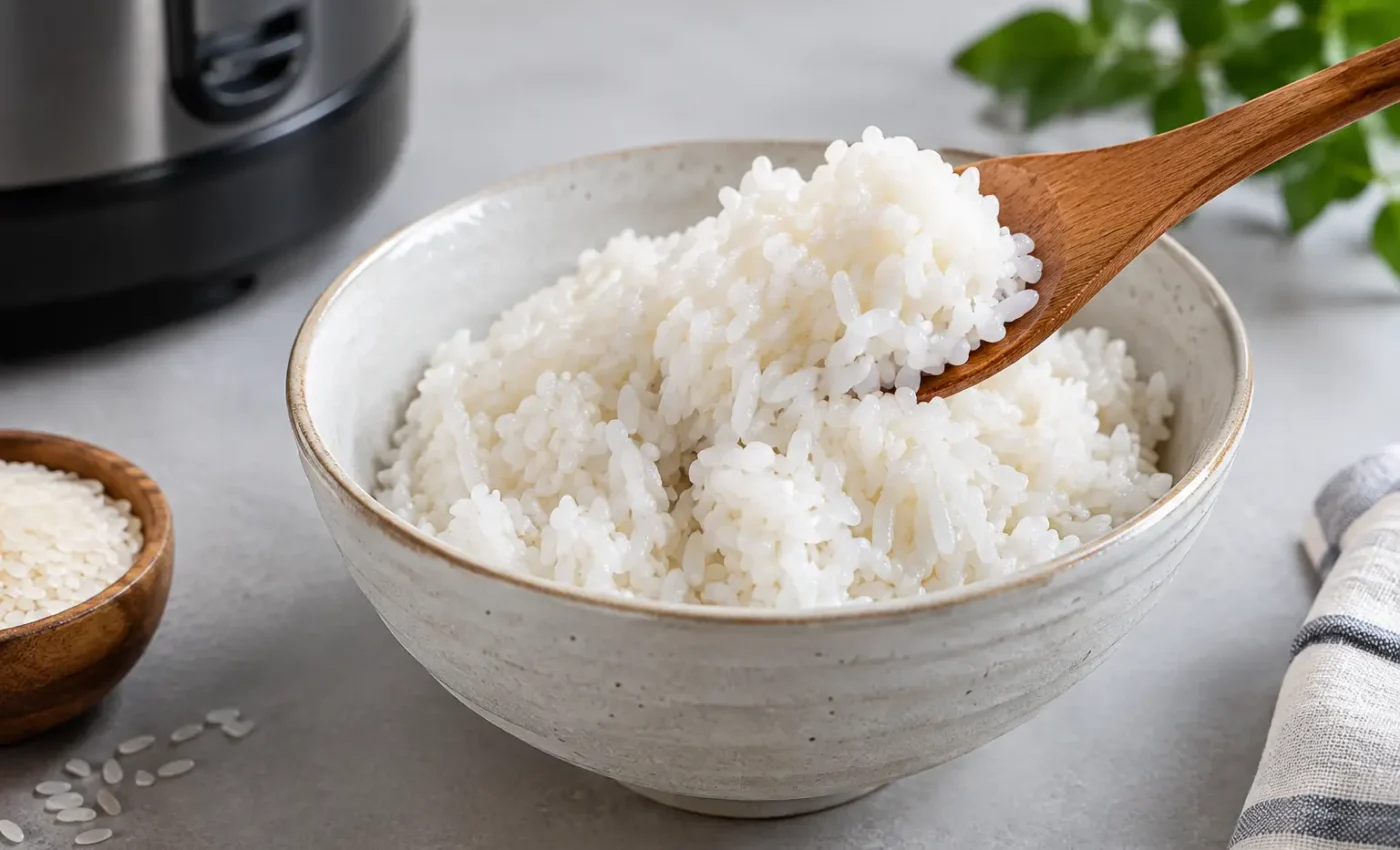
A pot of rice can look perfectly ordinary one minute and turn into a soft, clumped-together side dish the next. If you are wondering what sticky rice causes in your kitchen, the answer is usually not one big mistake. It is often a small combination of starch, water, heat, and timing.
The good news is that sticky rice is usually easy to prevent. Once you know which type of rice you are using and how it behaves, you can make tender, separate grains for weeknight bowls, stir-fries, burritos, and simple family dinners without adding extra work.
What Causes Sticky Rice?
Rice becomes sticky when too much starch remains on the outside of the grains or when the grains absorb more water than they need. As rice cooks, its starches swell and soften. That is exactly what should happen. But when there is excess surface starch, too much liquid, or too much agitation, those softened grains can cling together instead of staying separate.
Some rice is naturally more prone to this texture. Short-grain rice has a higher proportion of starch that creates a tender, clingy finish. That makes it a great choice for sushi, rice pudding, and creamy dishes. Long-grain rice, such as basmati and many types of jasmine rice, is more likely to cook into distinct grains when prepared with the right amount of water.
So, sticky rice is not always a cooking failure. Sometimes it is the intended result. The key is matching your method to the texture you want on the plate.
The Most Common Reasons Rice Turns Sticky
The rice was not rinsed
Dry rice carries loose starch on its surface. When that starch hits cooking water, it can make the liquid cloudy and help the grains stick together. Rinsing removes much of it before cooking begins.
For everyday white rice, place the rice in a fine-mesh strainer or bowl and rinse with cool water. Swish it gently with your hand, drain, and repeat until the water looks much clearer. It does not need to be perfectly clear, but it should no longer look milky.
This one step makes the biggest difference for rice you want to serve fluffy. It is especially useful with jasmine rice, basmati rice, and standard long-grain white rice.
There was too much water
Extra water makes rice soft, swollen, and more likely to break apart. Broken grains release even more starch, which can create a gummy texture.
The right ratio depends on the variety, your pot, and whether you are cooking on the stove or in a rice cooker. Package directions are a solid starting point, but they are not always perfect for every kitchen. If your rice is consistently sticky and wet, reduce the water slightly the next time rather than changing several things at once.
For many long-grain white rices on the stovetop, a little less than 2 cups of water per cup of rice often works well. Basmati commonly needs less water than regular long-grain rice. Brown rice needs more liquid and a longer cooking time, so do not use white-rice ratios for it.
The rice was stirred while it cooked
Rice is not like pasta or soup. Once it comes to a simmer, stirring can rub grains together and release starch into the water. The result can be thick, sticky rice, especially in a pot with a tight lid and little room for steam to escape.
After you bring rice and water to a boil, give it one quick stir if needed to make sure no grains are stuck to the bottom. Then cover it, lower the heat, and leave it alone. Lifting the lid repeatedly also lets out steam and can throw off the cooking process.
The heat was too high or too low
High heat can cause water to evaporate too fast and scorch the bottom before the rice finishes cooking. Very low heat may leave rice sitting in water too long, which can make it mushy. Aim for a gentle simmer after the initial boil.
On many stovetops, that means using the lowest setting that still keeps the pot quietly cooking. You should not hear an aggressive boil or see liquid splashing around the lid.
The rice did not rest after cooking
When the timer ends, rice is still finishing its work. A short rest lets steam redistribute through the pot, so the moisture evens out and the grains firm up slightly.
Leave the lid on for 10 minutes after cooking. Then fluff the rice gently with a fork or rice paddle. A spoon can mash the grains together, particularly when the rice is very hot and tender.
How to Get Fluffy Rice Every Time
A dependable method does not need to be complicated. Start by rinsing the rice, then use the proper water amount for that variety. Bring it to a boil, cover it, reduce to a low simmer, and avoid stirring while it cooks.
When the rice is done, remove the pot from the heat and let it stand covered for 10 minutes. Finally, fluff from the edges toward the center with a fork. This separates the grains without crushing them.
If you cook rice often, measuring with the same cup and using the same pot can help you get more consistent results. Different pots hold heat differently, and a loose lid can allow more water to escape. Small details matter more with rice than they do with many other side dishes.
How to Fix Sticky Rice You Already Cooked
If the rice is only slightly sticky, spread it onto a wide baking sheet or large plate. The larger surface lets steam escape, which helps stop the grains from continuing to soften. Fluff it gently and let it sit for a few minutes before serving.
If it is wet and gummy, avoid adding more liquid or covering it again. Instead, uncover the pot and set it over very low heat for a minute or two, watching closely so the bottom does not scorch. Then spread it out to cool slightly.
Rice that is very soft may not become perfectly separate, but it does not have to go to waste. Use it in fried rice after chilling it in the refrigerator, shape it into rice patties, or fold it into a comforting soup. Cold rice firms up, making it easier to use in dishes where a softer texture is less noticeable.
When Sticky Rice Is Exactly What You Want
Short-grain rice, glutinous rice, arborio rice, and rice used for sushi are meant to have some cling. Their texture helps them hold together, absorb flavor, or create a creamy dish. Trying to make these varieties as dry and separate as basmati can leave you disappointed.
Jasmine rice also has a naturally softer, slightly clingy character compared with basmati. It can still be fluffy, but it may not look as individually separate. For curries, grain bowls, and saucy chicken dinners, that gentle stickiness can actually be helpful because it carries sauce well.
The goal is not always rice that behaves like tiny, dry pebbles. Good rice should be tender, fully cooked, and suited to the meal you are making.
A Quick Check Before Your Next Pot
If your rice keeps turning out sticky, change one variable at a time. Rinse more thoroughly first. Next, check the water measurement, then make sure the heat is low enough and the lid stays on. Finally, give the rice its full resting time before fluffing.
With a few small adjustments, rice becomes one of the easiest parts of dinner instead of the side dish that needs rescuing. Keep the variety, water ratio, and method consistent for a few meals, and you will quickly find the version that works best in your kitchen.