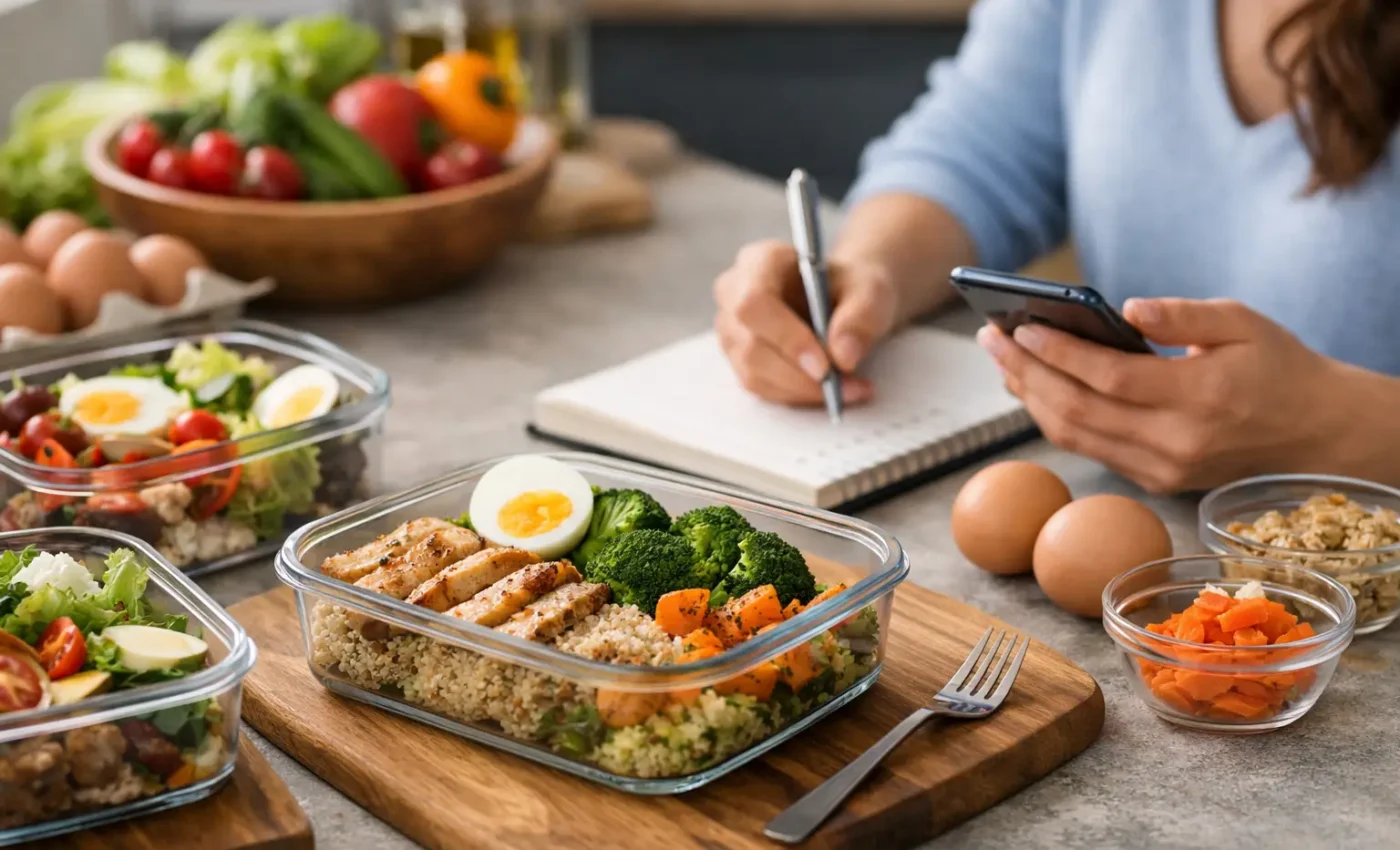
At 5:30 p.m., the question is rarely whether you can cook. It is what to cook with the chicken in the fridge, the vegetables that need using, and the little energy left after a busy day. A beginner guide to meal planning should make that moment easier, not turn Sunday into another job.
Meal planning is simply deciding on a handful of meals before the week gets moving. You do not need a color-coded calendar, a month of dinners, or a pantry stocked like a grocery store. A short plan gives you fewer last-minute decisions, a more useful shopping list, and a better chance of getting a homemade meal on the table.
Start Small With a Beginner Guide to Meal Planning
The most common mistake is planning too much. If you are new to meal planning, start with three or four dinners, not seven. Leave room for leftovers, takeout, a night when plans change, or the day everyone wants breakfast for dinner.
Choose meals that fit your actual week. A 20-minute pasta or sheet-pan chicken belongs on the night with soccer practice. Save a soup, baked dish, or recipe with a little more chopping for a quieter evening. The best plan is not the most ambitious one. It is the one you will happily use.
Think about breakfast and lunch only if those meals are causing stress, too. For many households, dinner is the decision worth solving first. Once that feels routine, you can add a few easy lunch options, such as leftovers, sandwiches, salads, or grain bowls.
Build a Week Around Familiar Meal Types
Instead of searching for seven brand-new recipes, begin with meal categories your household already likes. This keeps planning quick and makes shopping more predictable. You might rotate through pasta, tacos, chicken and vegetables, soup, and a simple breakfast-style dinner.
Variety can still happen within those familiar formats. One week, pasta might mean tomato sauce and ground beef. Another week, it could be creamy lemon chicken pasta or a vegetable-filled skillet version. Tacos can feature seasoned turkey, black beans, fish, or roasted vegetables. The format stays comfortable while the flavors change.
Aim for a practical mix of meals. Include one especially fast dinner, one meal that makes good leftovers, one low-cost pantry-based option, and one meal that feels a little more fun. That balance helps when time, appetite, and budgets vary from day to day.
Choose Ingredients That Can Do More Than One Job
A helpful plan connects meals without making every dinner taste the same. If you buy a bag of bell peppers for fajitas, use the extras in an omelet, pasta, or salad. Roast a tray of broccoli for one dinner, then add it to lunch bowls the next day.
This approach cuts food waste and makes prep feel lighter. It also gives you flexibility when an ingredient is unavailable or a meal gets pushed to another night. Chicken, ground turkey, canned beans, eggs, pasta, rice, frozen vegetables, tortillas, and jarred sauce are all useful building blocks because they work in more than one kind of meal.
There is a trade-off, though. Buying ingredients for several different meals can be more exciting, but it often means higher costs and more unused produce. Repeating a few ingredients is usually the easier choice for a busy week.
Make a Plan Before You Make a Grocery List
Start by checking what you already have. Look in the refrigerator, freezer, and pantry before deciding on meals. A half bag of spinach, a box of pasta, frozen meatballs, or a can of beans can point you toward dinner and save money at the store.
Then write down your selected meals and list the ingredients needed for each one. Combine duplicates as you go. If two meals need onions, put onions on the list once and buy the amount you will use. Check basics such as oil, butter, seasonings, broth, rice, and cheese before adding them.
Organizing the list by store section can make shopping faster. Group produce together, then proteins, dairy, pantry items, and frozen foods. You can use a paper note, a phone app, or a simple note on the refrigerator. The tool matters less than having one reliable place for the plan.
Avoid shopping for an idealized version of the week. If your family will be out two evenings, do not buy produce for five fresh dinners. If you know Wednesday runs late, stock an easy backup meal instead of hoping you will feel like cooking from scratch.
Keep One Backup Dinner Ready
A meal plan should handle real life, including forgotten appointments, tired kids, late meetings, and nights when the planned meal suddenly sounds unappealing. Keep two or three backup dinners made from shelf-stable or freezer ingredients.
Good backups are quick and forgiving: pasta with sauce and frozen vegetables, quesadillas with beans and cheese, scrambled eggs with toast, or soup paired with grilled cheese. These are not failures or shortcuts. They are part of a plan that works.
A backup dinner also means you do not have to abandon the whole week when one meal changes. Move the fresh ingredients to the next night if they will keep, freeze them if appropriate, or swap in a meal with longer-lasting ingredients. Meal planning works best when it bends.
Prep Only What Helps
Meal prep and meal planning are related, but they are not the same thing. Planning decides what you will make. Prep means doing some work ahead, and it is optional.
For some people, washing produce, chopping onions, and cooking a pot of rice on Sunday makes weeknights much smoother. For others, that extra task is unrealistic or leaves food sitting too long before it gets used. Try a small amount of prep first: wash salad greens, portion snack items, or chop vegetables for one early-week dinner.
You can also prep as you cook. While pasta water heats, slice vegetables for tomorrow’s stir-fry. While chicken roasts, make a little extra for wraps or salads. Small steps often feel more manageable than a long weekend cooking session.
Use a Simple Weekly Rhythm
A repeatable rhythm makes meal planning faster every week. Pick one day to look at the calendar, choose dinners, and make a grocery list. Shop that day or place an order for pickup. Keep the plan visible where you will see it when the afternoon gets busy.
After dinner, take a quick look at tomorrow’s meal. Move meat from the freezer to the refrigerator if needed, check whether you have enough of a key ingredient, and decide if any chopping would make the next evening easier. That two-minute check can prevent a lot of last-minute scrambling.
You do not have to follow the plan in order. Treat it like a menu rather than a rulebook. Cook the meal that matches the time you have and the ingredients that need to be used first.
What to Do When the Plan Does Not Work
Every household has meals that look good on paper but do not earn a repeat spot. Maybe a recipe takes longer than expected, creates too many dishes, or simply does not suit your family’s tastes. That is useful information, not a planning mistake.
Keep a short running list of dinners that went well. Include a few notes: how long they really took, whether there were leftovers, and whether everyone ate them. Over time, you will build a dependable group of meals that make planning almost automatic.
If a week falls apart, start again with the next dinner. There is no need to wait for Monday or make up for missed meals. A flexible plan that helps you cook three times is far more valuable than a perfect plan you never want to repeat.
Good food, made practical, starts with fewer decisions and a little breathing room. Choose a few meals, buy what you need, keep a backup nearby, and let the plan support your week instead of running it.