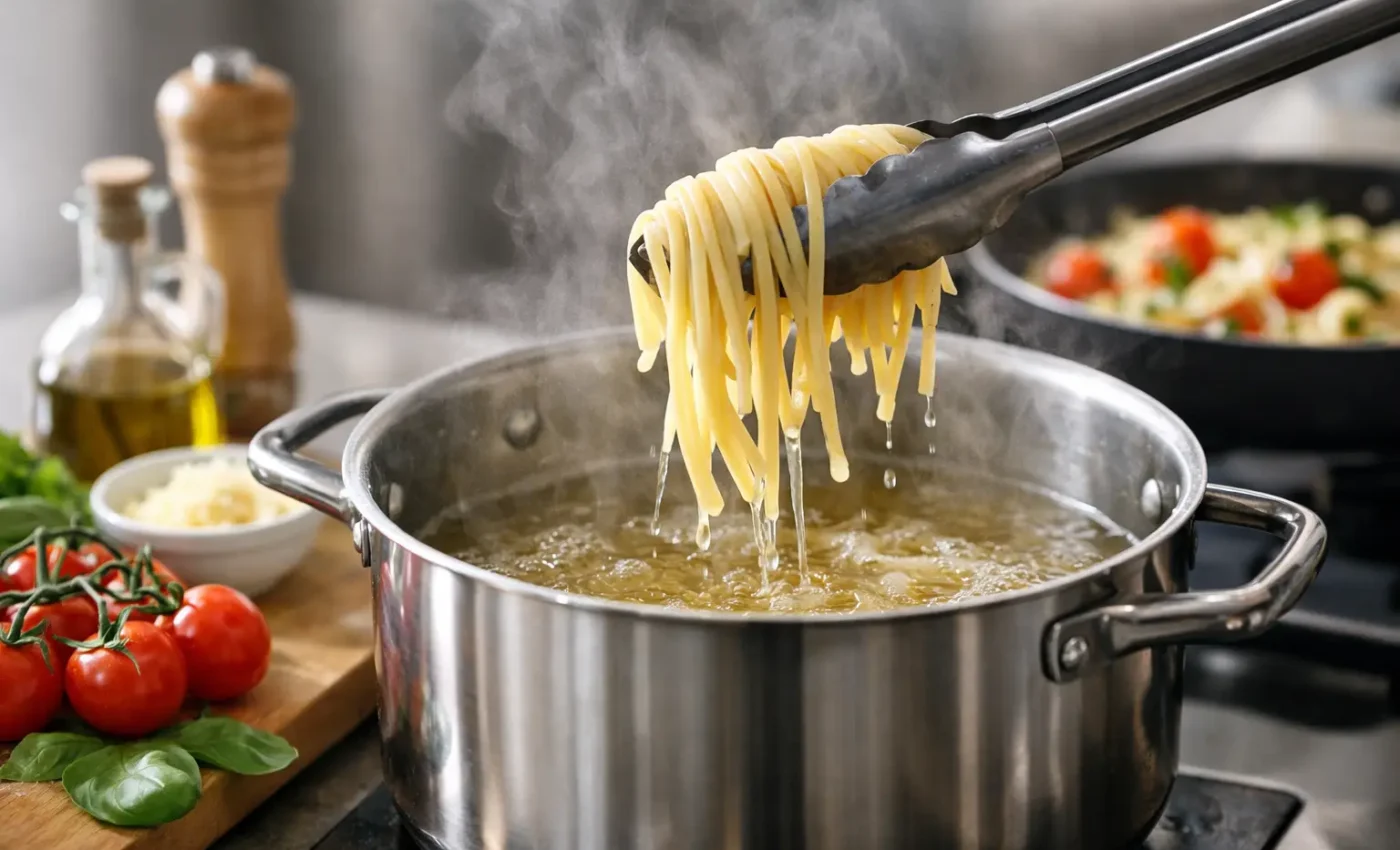
A pasta dinner can go from comforting to disappointing in one small moment: the noodles sit too long, the sauce is too thick, or everything gets rinsed until it tastes flat. Learning how to cook pasta properly is less about fancy technique and more about a few dependable habits that make weeknight meals taste finished, not rushed.
The good news is that great pasta does not require special equipment or a restaurant-sized pot. A large pot, enough water, good timing, and a willingness to let pasta and sauce meet in the pan will take you a long way.
How to Cook Pasta Properly, Step by Step
Start with a pot that gives the pasta room to move. For a standard 1-pound box of dried pasta, use a large pot filled about two-thirds full with water. You do not need to measure every cup, but the noodles should be able to circulate freely rather than clump together at the bottom.
Put the lid on while the water heats. It will reach a boil faster, which matters on a busy night. Once the water is boiling vigorously, add salt before the pasta. The water should taste pleasantly seasoned, not aggressively salty. For most home cooks, about 1 to 2 tablespoons of kosher salt in a large pot is a useful starting point. If you are using fine table salt, use less because the grains are more compact.
Add the pasta and stir right away. That first minute is when noodles are most likely to stick together or settle in a clump. Stir again once or twice during cooking, especially with long strands such as spaghetti or fettuccine.
Keep the water at a steady boil, then begin checking the pasta before the shortest time listed on the package. Package directions are a helpful guide, but pasta shape, brand, pot size, and the strength of your burner can all change the timing. Bite a piece. Properly cooked pasta should be tender through the center with a little firmness when you chew it. It should not be crunchy, but it should not be soft and swollen either.
If the pasta will finish cooking in a hot sauce, drain it when it is slightly firmer than you want to eat it. It will soften another minute or two in the pan. For a cold pasta salad, cook it until just tender, since it will firm up as it cools.
Salt the Water, Not Just the Sauce
Salted water seasons pasta from the inside while it cooks. Without it, even a flavorful sauce can leave the noodles tasting bland. This is especially noticeable in simple meals like buttered noodles, garlic and olive oil pasta, or pasta tossed with jarred marinara.
Do not add oil to the cooking water. It does not prevent sticking as effectively as stirring, and it can leave a slick coating that makes sauce slide off the noodles. The same goes for adding oil after draining if you plan to serve the pasta with sauce. Save the oil for the sauce itself, where it adds flavor and helps carry seasonings.
There is one exception worth knowing: if you are cooking pasta ahead for a cold dish, a very small amount of oil can help keep cooled noodles from clumping. Even then, tossing the pasta with its dressing while it is still slightly warm often works better.
Save Pasta Water Before You Drain
Before draining the pasta, scoop out at least 1 cup of the cloudy cooking water. This is one of the easiest ways to make a quick sauce taste better.
As pasta cooks, it releases starch into the water. That starch helps oil, butter, cheese, tomato sauce, and pasta cling together instead of separating in the bowl. You do not need much at once. Add a splash to a skillet of sauce and pasta, toss well, and add more only if the sauce looks too thick or dry.
Pasta water is particularly useful with sauces that seem simple but can turn greasy or heavy, such as garlic butter, pesto, creamy cheese sauces, or sausage and tomato sauce. It gives the sauce a glossy, clingy texture without adding extra cream or more oil.
Finish the Pasta in the Sauce
Draining pasta is not the final step. For the best everyday results, move the drained noodles directly into a wide skillet or saucepan with warm sauce. Toss over medium heat for 1 to 2 minutes, adding a little pasta water as needed.
This short finish lets the pasta absorb flavor and gives the sauce time to coat every piece. It is the difference between sauce poured over plain noodles and a pasta dinner that tastes like it belongs together.
For a quick tomato pasta, warm your sauce in a skillet while the noodles cook. Add the drained pasta, a splash of pasta water, and a handful of grated Parmesan if you like. Toss until the sauce lightly coats the noodles. Finish with black pepper, herbs, or a drizzle of olive oil if the dish needs brightness.
With creamy sauces, keep the heat gentle. A sauce made with cheese, cream, or egg can become grainy or separate if it boils hard. Add pasta water gradually and toss patiently. If using an egg-based sauce, take the pan off the heat before adding the egg mixture, then toss quickly with a little pasta water to create a smooth coating.
Match the Pasta Shape to the Meal
You can make dinner with whatever pasta is in the pantry, but choosing a shape that suits the sauce helps the meal feel more satisfying. Long pasta like spaghetti, linguine, and fettuccine works well with smooth tomato sauces, lemony butter sauces, and lighter seafood-style preparations.
Short shapes such as penne, rotini, rigatoni, and shells are practical for family dinners with chunkier sauces, ground meat, vegetables, or beans. Their ridges and curves hold onto bits of sauce and make them easy to serve. Small shapes are useful in soups, while wide noodles pair nicely with hearty mushroom, chicken, or beef sauces.
This is a helpful guideline, not a rule. If tonight calls for spaghetti and you only have penne, dinner is still on track. Adjust the sauce with a little pasta water and focus on getting the seasoning right.
Common Pasta Mistakes That Are Easy to Fix
The most common problem is overcooking. If pasta goes soft before the sauce is ready, drain it immediately and toss it with the sauce rather than letting it sit in the colander. Pasta continues to cook from its own heat, so waiting can turn perfectly good noodles mushy.
Another mistake is rinsing hot pasta meant for a warm dish. Rinsing washes away surface starch, which is exactly what helps sauce stick. Drain it well, but do not rinse. Rinsing does make sense for pasta salad, where you want to stop the cooking and cool the noodles quickly.
Using too little water can make pasta sticky, especially with long noodles. If your pot is smaller, use as much water as you reasonably can, stir more often, and avoid overcrowding. Cooking two boxes at once may require working in batches unless you have a very large pot.
Finally, do not wait until the pasta is done to start the sauce. Even a simple sauce should be warm and ready when the noodles are drained. Set out your colander, grate cheese, chop herbs, and have a measuring cup ready for pasta water before the timer gets close.
A Simple Weeknight Pasta Routine
For dependable dinners, bring the water to a boil first, then use that time to make the sauce or prepare the rest of the meal. A jar of marinara can become more flavorful with sautéed garlic, browned ground turkey, spinach, frozen vegetables, or a pinch of red pepper flakes. Leftover chicken, canned tuna, white beans, or roasted vegetables can turn pasta into a complete meal without much extra work.
Taste before serving. Pasta often needs one final pinch of salt, black pepper, Parmesan, lemon juice, or fresh herbs. Small adjustments matter because noodles absorb seasoning quickly. Serve it while it is hot and glossy, not five minutes later after the sauce has tightened in the pan.
Once you get comfortable with the rhythm, pasta becomes one of the most forgiving meals you can make. Keep the water salted, taste the noodles early, save that cloudy pasta water, and let the sauce finish the job. Tonight made easy can still taste like you put real care into it.